A leak rarely comes from where the water appears indoors. Water can travel along a rafter or a batten for a metre or more before it drips. Because of that, the stain rarely marks the real problem. Here are the ten causes we find most often on call-outs across Rushden and the wider area, roughly in order of how common they are.
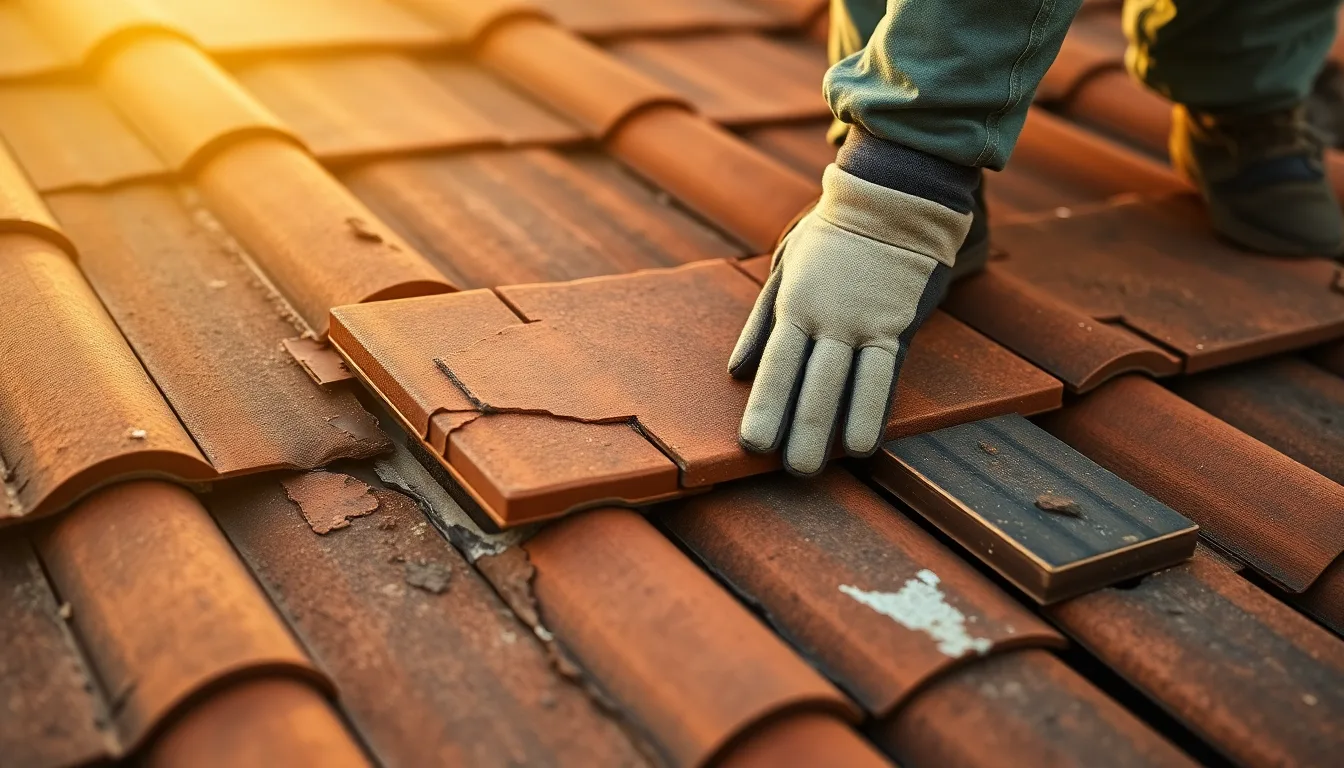
- Slipped, cracked or missing tiles. The most common cause of all. A dislodged tile creates a direct gap for wind-driven rain, especially in exposed spots.
- Failed lead flashing. Around chimneys, valleys and roof junctions, flashing that’s cracked, lifted or simply worn out lets water track straight into the roof structure.
- Worn ridge and hip mortar. Older sand-and-cement ridge bedding cracks and falls away over time, letting wind get under the ridge tiles and water in behind them.
- Blocked or overflowing gutters. Water that can’t drain away backs up under the lowest course of tiles and finds its way into the roofline and fascias.
- Valley failures. Valleys carry a lot of water off two roof slopes at once, so a cracked valley liner or displaced valley tiles cause leaks disproportionate to their size.
- Perished flat roof felt or membrane. UV exposure and ponding water eventually crack or blister felt, EPDM and GRP surfaces — see our flat roofing service and our signs your roof needs replacing guide for when this means a full flat roof replacement rather than a patch.
- Damaged or missing pointing around chimneys. A chimney stack with failed mortar joints lets water into the brickwork, which can then track down into the loft — our chimney repointing guide covers the signs to look for.
- Storm and wind damage. High winds can lift tiles, tear flashing and strip felt in one go, often revealing several of the causes above at once — see our storm damage and insurance guide for what to do next.
- Condensation, not a leak at all. Sometimes what looks like a leak is actually condensation from poor loft ventilation, especially after cold snaps — this needs a different fix entirely (better airflow, not a roof repair).
- General wear on an ageing roof. On a roof reaching the end of its working life, several small causes can be happening at once, which is often the point where a repair stops being cost-effective — see when to repair vs replace.
How we find the actual cause
Because water can travel before it drips, we trace a leak from the loft as well as the roof surface wherever we can. We follow the timbers back to where the water is actually entering, not just the spot under the stain. That’s the difference between a repair that lasts and one that comes back after the next storm.
When it’s more than a repair
If a survey turns up several of the causes above at once, that’s usually the point where it’s worth asking whether a repair is still the right call. Similarly, if the same leak keeps returning in different spots, it’s worth checking what a re-roof is likely to cost before paying for another patch.
If your roof is leaking now, don’t wait for it to get worse. Get in touch for a free survey. Since we trace the actual cause, not just the symptom, the fix should last, whether you’re in Daventry or anywhere else we cover.